
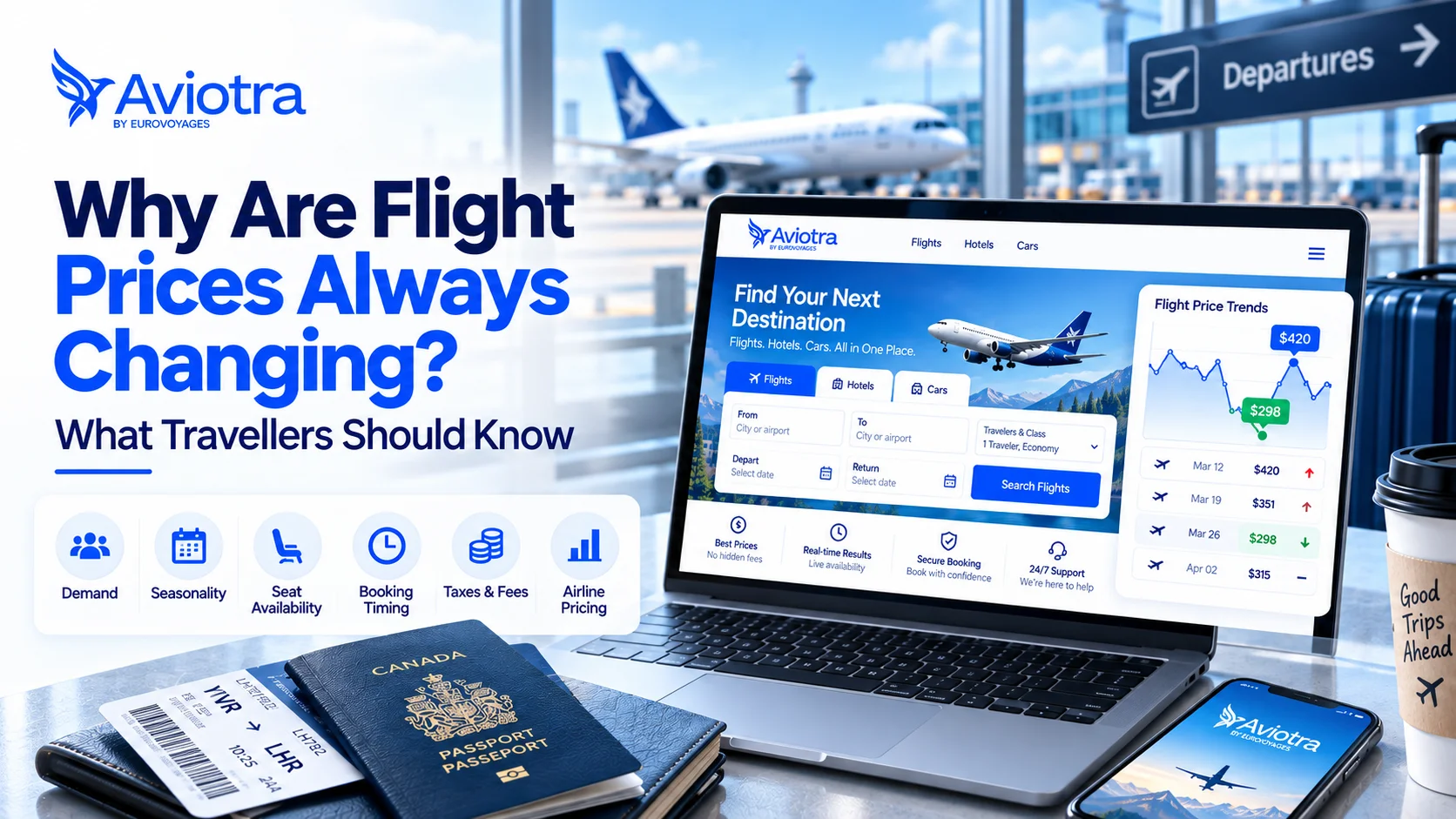
You spot a flight at $289 in the morning, but when you check again that evening, the fare has jumped to $347. The flight has not changed, so why has the price changed? For travellers trying to secure a good deal, these sudden shifts can make booking feel like a guessing game.
When comparing fares on Aviotra, travellers may notice these changes across the same route or even within the same day. Several moving factors influence airline pricing, including seat availability, demand, booking activity, seasonality, and market conditions. The fare shown at one point isn't necessarily the fare available later.
A major reason is the way airlines manage their seat inventory. Airlines offer different fare classes at different price points, and they can open or close those classes as demand changes. IATA describes this process as part of airline revenue management, where airlines continually adjust pricing and inventory decisions.
That helps explain why two passengers can sit on the same flight yet pay different amounts for their tickets. Once you understand what can push fares up or down, changing prices become easier to interpret, and booking decisions become less of a guessing game.
6 Reasons Your Flight Price Keeps Changing
You find a flight that fits your plans and seems reasonably priced, but hesitate to book. Check again later, and the offer has changed. Sometimes it goes up; other times, a cheaper option appears when you least expect it. What looks unpredictable is actually driven by how airlines manage seats and respond to changing demand.
Understanding what drives these fluctuations can make comparing flights much easier. Seat availability, demand, booking activity, travel timing, and seasonal trends can all affect the fare you see. Knowing how these six factors work can help you assess an offer more clearly, spot potential changes, and decide when it makes sense to book your flight.
1. Dynamic Pricing and Airline Revenue Management
Airlines do not set a fare once and leave it alone. Pricing systems review bookings, search activity, and competitor fares around the clock, then adjust prices automatically. This is why daily flight pricing can look different from one morning to the next, even for the same flight.
Behind those systems sits airline revenue management, a discipline built on forecasting. Its goal is to maximize revenue on every departure. Analysts and software predict how many people will want a seat, then decide how many seats to sell at each price.
If bookings outpace the forecast, fares rise. If they lag, the airline may cut prices to fill empty seats. An empty seat earns nothing once the aircraft departs, so airlines work to sell every seat at the best price the market will bear. These constant adjustments account for most airline price changes you notice when checking the same route twice.
2. Seat Availability and Fare Classes
A single cabin holds many different fares. Airlines divide seats into fare classes, each with its own price and rules. The lowest fare classes hold only a few seats. When those sell out, the next class opens at a higher price.
That is why flight fare changes often happen in small steps. You might see $240, then $265, then $290 with no obvious cause. The aircraft has not changed. Cheaper seats simply sold to other passengers.
Seat availability can also move the other way. If a passenger cancels, a cheaper fare class may reopen, and a price you saw earlier can briefly return.
Fare classes also control conditions such as changes, refunds, seat selection, and baggage. A lower price often comes with tighter rules, so compare what each fare includes before you choose.
3. Supply and Demand - Routes and Seasons
Supply and demand shape airfare more than any other factor. An airline can offer only so many seats on a given flight route, so when more people want to travel than there are seats, prices climb.
Route demand: Busy business routes, such as Toronto to Montréal, see strong weekday demand, so peak departures often cost more. Thin routes with few daily flights can also be pricey, because a small number of seats must cover the airline's costs.
Seasonality: Demand follows the calendar. Peak travel season includes summer, the winter holidays, and March break, when many families travel at once. Airfare price fluctuations are sharpest around those dates, while quieter weeks, such as late January, usually bring lower fares.
Local events: Festivals, major sports games, and conferences can lift fares to a city for a few days.
4. Competition Between Airlines
When several airlines serve the same flight route, they watch each other's fares closely and respond quickly. If one airline lowers a price, rivals often match it within hours. Routes with strong competition therefore tend to have lower fares.
Routes served by a single airline work differently. Without a rival, the airline has more freedom to hold prices high, especially close to departure. Low-cost carriers can change this picture. When one enters a route, established airlines often respond with sale fares or stripped-down basic options. Competition can also be indirect: a nearby airport or a connecting itinerary can pressure the price of a non-stop flight. Checking multiple airlines on the same route shows you how much that competition is worth.
5. Booking Time and Travel Date
Both when you book and when you travel matter. Booking several months ahead can sometimes get you attractive fares before demand builds, while waiting until the last minute can leave you with fewer seats to choose from. The best timing varies by route, airline, season, and demand, so no universal booking window exists.
A common guideline is to book domestic flights about one to three months ahead and international flights about two to six months ahead. Treat these ranges as a starting point, not a guarantee.
Your travel date matters too:
Midweek departures are often cheaper than Friday and Sunday flights.
Holiday periods and peak travel days tend to attract stronger demand.
Moving your trip by even one day can sometimes open up better options, so check flexible-date calendars when available.
Rather than waiting for a specific “perfect” day to book, compare several dates and keep an eye on the route. When you find an option that fits your budget and schedule, it may be worth securing it.
6. Operating Costs: Fuel, Fees and Taxes
Operating costs also contribute to what travellers pay. Fuel is a major airline expense, so changes in jet fuel costs can affect an airline’s operating costs and, in some cases, influence fares or fuel-related charges.
Taxes and airport fees can also add to the final ticket total. In Canada, the Air Travellers Security Charge is $9.46 per chargeable emplanement for domestic travel when GST/HST applies, up to a maximum of $18.92. For transborder travel, the charge is $16.08 per chargeable emplanement, up to a maximum of $32.16. Canadian airports may also apply airport improvement or passenger facility fees, which airlines collect through tickets.
These amounts can vary by airport, route, and destination, so two flights covering a similar distance may still have different totals. Taxes and fees can also represent a noticeable portion of a lower-priced ticket.
When comparing flights, check the final amount, rather than judging an option by the initial fare alone. The total at checkout gives you the clearest picture of what you will actually pay.
What Makes Flight Prices Different in Canada?
Canada’s size and travel patterns can noticeably affect flight availability and fares. In 2025, domestic air travel increased by 4.6%, adding nearly 1.5 million passengers compared with the previous year, according to Transport Canada. Most of this growth occurred at major hubs, including Vancouver, Calgary, Toronto, Edmonton, and Ottawa.
For travellers, the main difference is the number of alternatives available on a particular route. Major city pairs may have several airlines and departure times, while smaller markets can offer fewer choices. This makes route structure an important factor to check before booking a flight, especially when comparing domestic flights in Canada.
Domestic Flights in Canada
Domestic routes vary significantly in the number of airlines, departure times, and connections available. Major carriers such as Air Canada, WestJet, Porter, and Flair serve different parts of the country, but their coverage varies by route.
Major hubs: Toronto, Vancouver, Montréal, and Calgary have numerous departures and several carrier options on many routes.
Regional and northern routes: Some communities have fewer scheduled services, which can limit the number of flights available on a particular day.
This difference can affect travellers' flexibility. A route with several daily departures gives you more opportunities to adjust your plans, while a route with limited service may require you to work around the available schedule.
How Seasonal Demand Affects Canadian Flights
Certain periods bring a predictable increase in travel across Canada. Winter holidays to Mexico and the Caribbean are especially popular from December through March, while long weekends such as Victoria Day, Canada Day, and Thanksgiving can concentrate trips around specific dates.
These periods can make popular departures harder to secure closer to the travel date. Travellers who have flexibility can consider less popular days, earlier departures, or dates immediately before or after a holiday weekend. Looking at the calendar before booking can therefore be just as useful as comparing individual flights. A small adjustment to your travel plans may give you access to a wider selection.
How Flight Type Affects Your Total Cost
The type of flight you choose can affect ticket cost, travel time, and included services. Compare these factors before booking:
For multi-city trips, compare the full itinerary with separate one-way flights. You may find a different combination of airlines, schedules, or costs.
*A lower base fare may not be the lowest overall cost once you add everything.
Where to Book: Websites to Book Flights
The booking channel determines where you search and who handles the transaction.
Airline websites: Book directly with the carrier and provide access to its own fare conditions, policies, and support channels.
Online travel agencies (OTAs): Bring flights from multiple airlines together and can be useful when planning a trip involving different carriers or services.
Comparison platforms: Help you scan multiple sellers and identify different options before sending you to the provider handling the booking.
Aviotra gives travellers a convenient place to compare flight options according to their trip requirements, including budget, schedule, stops, and baggage needs.
9 Smart Tips for Booking Your Next Flight
A few simple checks can help you find a flight that fits your budget and travel plans:
Check nearby dates: Search one or two days before and after your preferred date. You may find better options by adjusting your schedule slightly.
Compare nearby airports: If possible, check airports within a reasonable distance of your starting point. Different airports may offer different routes and schedules.
Compare the total cost: Add baggage, seat selection, and other extras you expect to pay for. This shows what the trip will actually cost.
Review the stops: Check how many connections you have and how long each layover lasts before booking.
Check baggage allowance: Make sure the ticket includes enough baggage for your needs, especially when comparing low-cost carriers.
Read the fare rules: Check the conditions for cancellations, refunds, and changes before you pay.
Check the currency: Confirm whether the amount is shown in Canadian dollars, US dollars, or another currency.
Set a price alert: If you are not ready to book, an alert can help you monitor the route without checking it manually every day.
Compare before booking: Check the same flight across different booking platforms and the airline’s website before deciding.
Aviotra can help you compare available flights based on your dates, destination, and preferences. Once you find a suitable option, review the itinerary, total cost, baggage allowance, and fare conditions before completing your booking.
Conclusion
Flight prices may change from one search to the next, but that does not mean the process is random. Airlines respond to booking activity, travel patterns, route conditions, and other factors that can affect the fare available at a given time.
That is why looking at the full booking picture matters more than focusing on one number. Consider how the flight fits your schedule, what is included, and whether the terms work for your trip. With these details in mind, it becomes easier to judge an option before you book.
When you are ready to compare your choices, Aviotra can help you review available flights in one place. Take a few minutes to check the details, then choose the option that best fits your plans and budget.
Frequently Asked Questions
Do flight prices go up when you search repeatedly?
Searching for the same flight repeatedly does not automatically mean the airline will increase the amount because of your searches. The fare displayed can change for several reasons, including another customer booking a seat or the airline updating its available ticket options.
If you notice a different amount, check that you are viewing the same:
Flight and departure time
Cabin or ticket type
Baggage allowance
Fare conditions
These details can differ even when the route looks identical. Using another device or browser may show the same options, but it is not a reliable way to force a lower fare.
Can a fare change after I have booked?
The amount paid for an issued ticket is generally fixed. A later change in the advertised amount does not normally alter the ticket you have already purchased.
A different situation applies when you request a change to your own booking. Depending on the ticket conditions, you may have to pay a fee or the difference between the original ticket and the new itinerary.
Airline-initiated schedule changes are handled differently. If your carrier changes your flight, check the options provided with your booking rather than assuming the same conditions apply to a voluntary change.
Why is a cheaper ticket sometimes missing seat selection or baggage?
Airlines can offer different ticket types with different inclusions. A basic fare may cover transportation while charging separately for services such as checked baggage or seat selection.
When two tickets have different amounts, check what each one includes. A slightly higher fare may include services you would otherwise purchase separately.
For flights departing Canada, advertised air prices must include mandatory taxes and fees, while optional services can be added separately. Checking the complete cost helps you understand what you are actually purchasing.
Is it better to book a flight early or wait for a lower fare?
No single booking window guarantees the lowest fare. The right timing depends on the route, airline, travel season, and demand.
Booking earlier can help when you want more choice, especially during busy travel periods. Waiting may sometimes result in a better offer, but it can also leave you with fewer suitable flights.
Before deciding when to book, consider:
How flexible your travel dates are
Whether you are travelling during a busy period
How many flights operate on your route
Whether you need specific departure times
If you find an option that fits your budget and schedule, review the fare conditions before booking.
Are connecting flights always cheaper than non-stop flights?
Not always. Connecting flights can sometimes be cheaper, but the difference depends on the route, airline, travel dates, and available options.
A non-stop flight may cost more but can save time and eliminate the need to manage a connection. A connecting itinerary may make sense when the savings are worth it and the extra travel time fits your plans.
When comparing the two, consider:
Total cost
Overall travel time
Connection length
Number of stops
Baggage allowance
This gives you a clearer basis for choosing between a non-stop and connecting flight.
 What Are the Different Types of Flights? A Traveller’s Guide
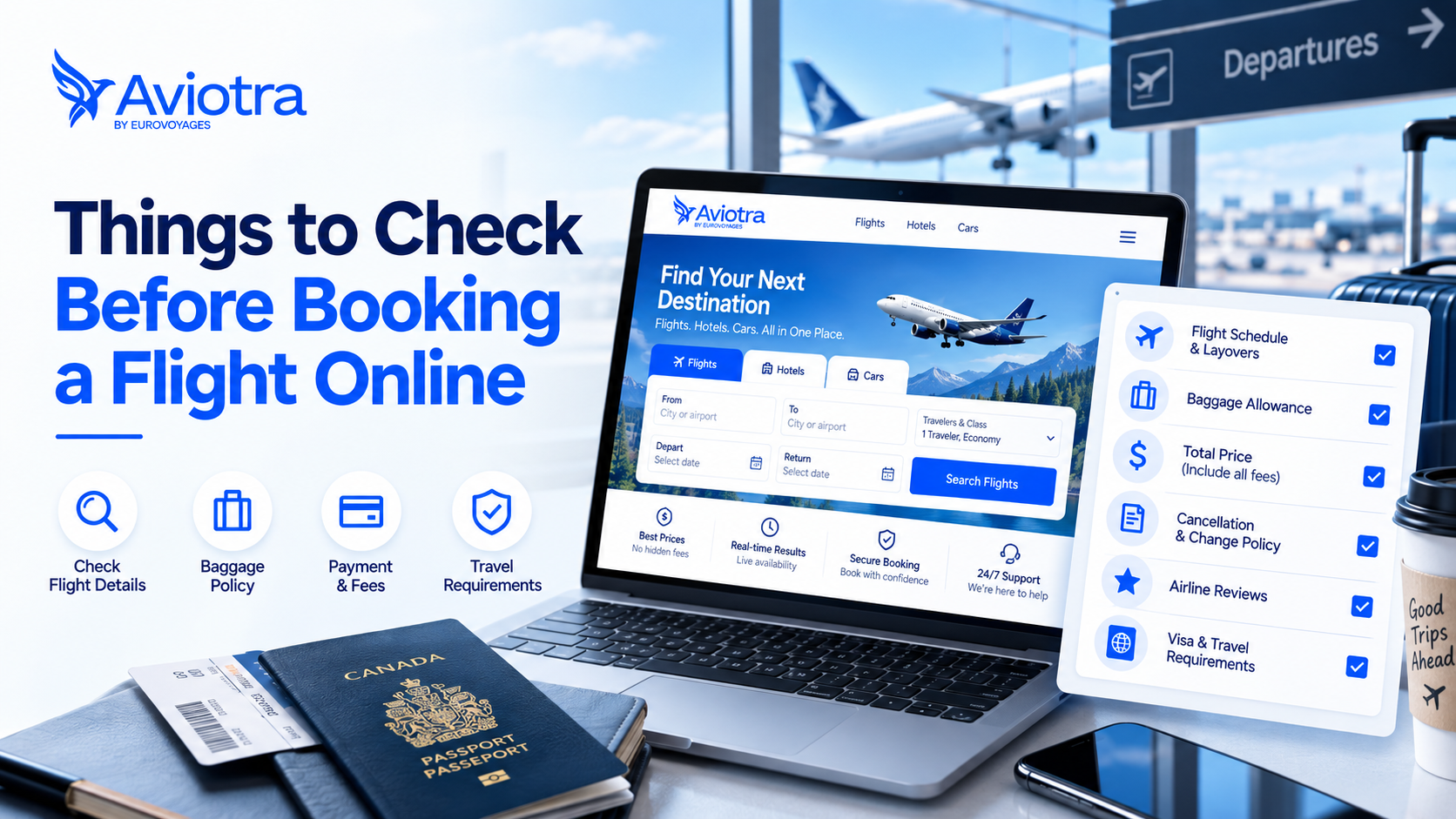 Things to Check Before Booking a Flight Online
 Domestic Flights in Canada: Everything You Need to Know Before Flying
